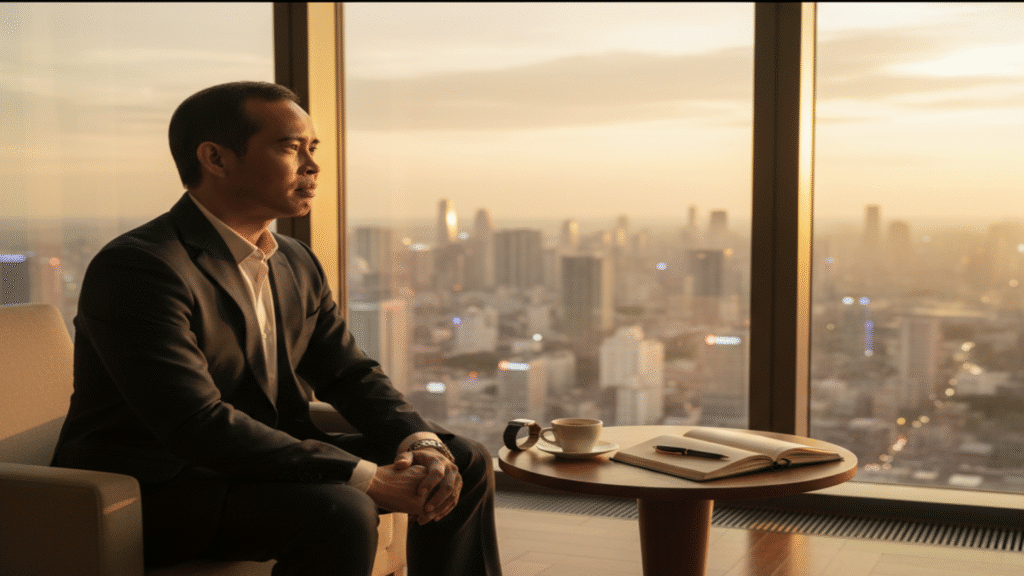
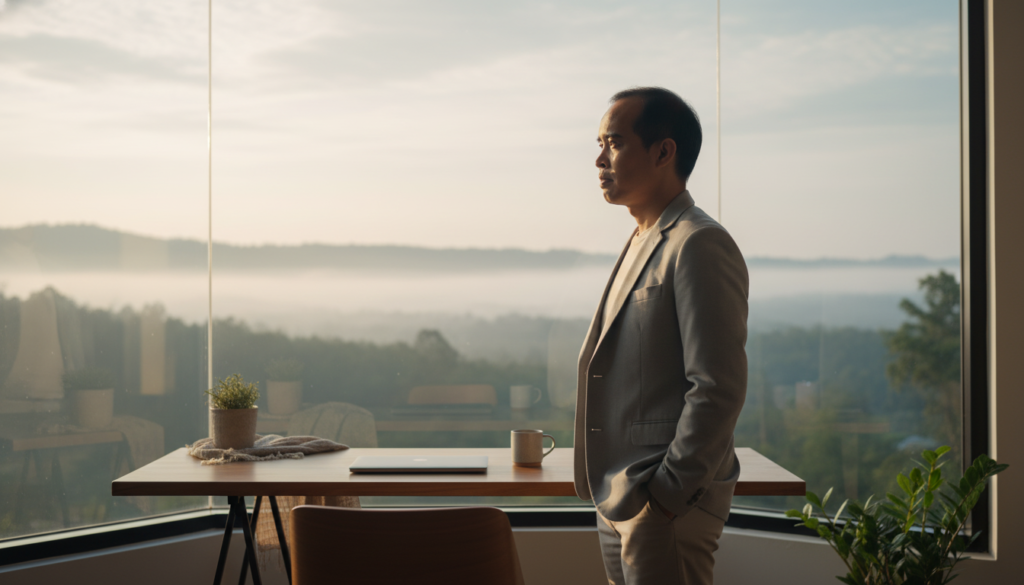
The Quiet Economy 2026: In 2026, something subtle but powerful unfolds beneath headlines, hype, and viral stories. While the world still glorifies speed, aiming for rapid scale and instant wealth, a quieter economy is taking root—one valuing lasting stability instead of fleeting spectacle, personal mental health over relentless burnout, and substantive growth over easy, fast money. This isn’t rejecting ambition, but redefining success.
The End of the Hustle Myth
For over a decade, the hustle narrative dominated. Faster was always better. Growth had to be exponential. Workdays extended into the night, weekends disappeared, and people viewed burnout as a sign of dedication.
But by the mid-2020s, cracks became impossible to overlook.
Mental health crises rose. Employee disengagement hit new highs. Even high earners questioned if constant acceleration was worth the cost.
The quiet economy appears as a collective response—not dramatic or rebellious, but intentional. It asks a simple question:
What if sustainable progress creates more value than relentless speed?
What Is the Quiet Economy?
This new mindset does more than challenge the hustle myth but also shifts everyday priorities.
The quiet economy isn’t one movement or ideology. It’s a change in focus across work, money, travel, and life.
At its core, it values:
- Steady, resilient income over volatile, high-risk gains
- Depth over scale in business and creativity
- Long-term health as an economic asset
- Time affluence is a marker of success.
It appears in how people work, spend, invest, and shape their lives.
This is an economy of fewer meetings, slower mornings, thoughtful purchases, and work that fits life — not the other way around.
Slow Growth vs. Fast Money: The Real Trade-Off
Fast money is tempting: it promises quick rewards, social validation, and the illusion of freedom; in contrast, it often brings hidden costs.
- Chronic stress and decision fatigue
- Unstable income cycles
- Dependence on algorithms, trends, or external volatility
- Short-lived relevance
Slow growth, however, compounds quietly, in contrast to rapid, noticeable gains.
It favors:
- Businesses that grow at a human pace
- Skills that deepen over the years
- Trust-centered connections
- Systems that survive downturns
Financially, slow growth is the opposite of rapid gains: it's less dramatic, but much more resilient, resembling long-term investing.
The Wellness Factor: Health as Economic Strategy
A frequently neglected element of the quiet economy is its link to health.
Burnout isn’t just personal—it’s expensive. Lost productivity, healthcare costs, and high turnover drain organizations and individuals alike.
Practices such as intentional digital detox help restore mental clarity, emotional regulation, and long-term productivity — all essential pillars of the quiet economy.
Research-backed institutions like the World Health Organization and Harvard University have repeatedly emphasized that psychological health and work-life balance directly affect long-term economic outcomes.
In 2026, wellness isn’t a perk. It’s infrastructure.
People who design slower, more regulated lives tend to:
- Make better financial decisions.
- Sustain steady performance
- Avoid costly health breakdowns.
- Stay creatively engaged longer.
The quiet economy sees a calm nervous system as a competitive edge.
Work Is Changing—Not Louder, But Calmer
Remote work, asynchronous communication, and portfolio careers laid the foundation. Now comes refinement.
Quiet economy work looks like this:
- Fewer but more purposeful projects
- Clear limits on availability
- Outcome-based performance instead of constant visibility
- Deep work replaces performative busyness.
Professionals now optimize for energy, not just output.
This shift is consistent with insights from Stanford University research on focus, information-processing demands, and sustainable performance.
The result? Less noise, more clarity, better results.
Mindful Spending and the Rise of Quiet Luxury
The quiet economy reshapes consumption, too.
Loud status symbols are losing appeal. In their place:
- High-quality essentials
- Fewer, longer-lasting items
- Experiences that restore rather than exhaust
- Travel that emphasizes presence over checklists
This is often called “quiet luxury,” but it’s more about discernment than wealth.
Spending becomes intentional—aligned with values, not trends.
Travel within the Quiet Economy: Depth Over Distance
Mindful travel most clearly expresses this shift.
Instead of rushing through destinations, quiet economy travelers choose:
- Longer stays
- Fewer locations
- Retreat-style experiences
- Nature, silence, and profound cultural experiences
This is consistent with FitGlobalLife’s view of travel as restoration rather than escape.
You may observe this trend in:
- Wellness retreats are replacing party tourism.
- Off-season travel is gaining popularity.
- Rural and nature-based destinations are thriving.
Travel becomes a way to recalibrate, not perform.
Why Businesses Are Embracing Quiet Growth
The quiet economy isn’t anti-business; in fact, many companies quietly adopt its principles.
Why?
Because slow, intentional growth frequently leads to:
- Lower employee churn
- Stronger brand trust
- More loyal customers
- Minimized operational risk
Founder-led brands, boutique firms, and value-driven platforms are exceeding projections by staying focused and human-scale.
Growth happens—just not at the cost of everything else.
The Psychology Behind the Shift
At its core, the quiet economy reflects psychological maturity.
After years of overload, people are realigning their reward system.
Dopamine-driven cycles of haste and novelty are giving way to:
- Meaning
- Stability
- Belonging
- Mastery
This is not stagnation, but integration.
This explains why slow growth satisfies in ways that fast money rarely does.
Who Thrives within the Quiet Economy?
By considering these psychological shifts, we can identify the individuals and groups that stand to gain the most.
The quiet economy favors those willing to:
- Play long games
- Build trust-based reputations
- Invest in health and skill.
- Say no to excessive haste.
Creators, consultants, educators, wellness PRLs, and location-independent workers are especially well-positioned.
Ultimately, this economy is open to anyone prepared to reshape success.
How to Align Your Life Alongside the Quiet Economy
You don’t need to quit your job or relocate. Small shifts count.
Consider:
- Designing your week for energy, not maximum output
- Choosing fewer goals, but committing deeply.
- Building income streams that don’t depend on constant urgency
- Prioritizing rest as a non-negotiable
Quiet growth is doing what matters consistently.
The Future Is Quieter Than We Expected
As 2026 unfolds, the quiet economy isn’t making headlines—and that’s the point.
It’s happening in calm offices, slow mornings, mindful travels, and lives designed with care.
Fast money will always exist, but slow growth creates enduring value.
FAQ
What is the quiet economy?
The quiet economy is a cultural and economic transformation toward steady development, well-being, and long-term value, rather than rapid, high-risk financial gains.
Is slow growth financially viable?
Yes. Slow growth frequently leads to more stable income, lower risk, and better long-term outcomes than volatile, fast-money strategies.
How does the quiet economy relate to wellness?
It recognizes physical and mental health as core economic assets, not optional luxuries.
Does this mean ambition is dead?
Not at all. Ambition is being refined—focused on depth, mastery, and longevity rather than speed alone.
Can businesses succeed with quiet growth?
Many already are. Companies placing importance on a sustainable pace often outperform in resilience and employee loyalty.
Disclaimer
This article is for informational and lifestyle inspiration purposes only. It does not constitute financial, medical, or professional advice. One's own experiences and outcomes may vary.