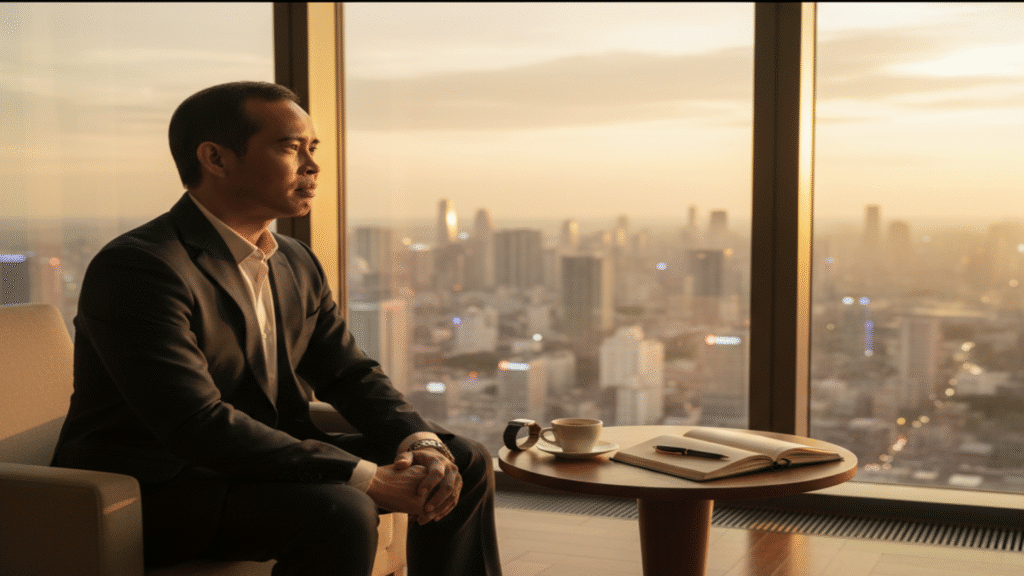

If you look closely at the upper echelons of society in 2026, you will notice a shocking behavioral shift. The ultimate status symbol is no longer the newest hyper-connected wearable, the smartest AI assistant, or a calendar packed with global Zoom meetings. The new flex isn't there. It doesn't make any noise. It is The Great Simplification.
As an editor and longevity analyst at Fit Global Life, I spend my days observing how the world’s top performers optimize their health and lifestyles. Over the past two years, I’ve tracked a massive pivot away from the “more is better” tech-centric bio-hacking culture, moving toward what experts are calling “High-Touch Living.”
The Great Simplification is not about becoming a Luddite or moving off the grid in a cabin; it is a calculated, scientifically backed rebellion against cognitive overload. It is the conscious uncoupling from artificial urgency to reclaim biological sovereignty.
The Anatomy of a Crisis: Why The Great Simplification is Necessary
Before we explore the blueprints of this movement, we must understand the disease it cures. By 2024, the World Health Organization (WHO) had officially recognized burnout as an occupational phenomenon. Fast forward to 2026, and we are dealing with something far worse: Neurological Fatigue.
We have outsourced our memories to the cloud, our circadian rhythms to artificial lighting, and our stress management to apps that track us 24/7. The irony of the “health tech” boom is that measuring our stress has inherently made us more stressed.
In a recent study published by the National Institutes of Health (.gov), researchers found a direct correlation between excessive screen time and the accelerated shortening of telomeres—the DNA caps that dictate our biological aging. The global elite read this data, and their response was immediate: simplify.
Here are the 7 powerful blueprints driving The Great Simplification in 2026, and how you can apply them to achieve a vibrant 100-year life.
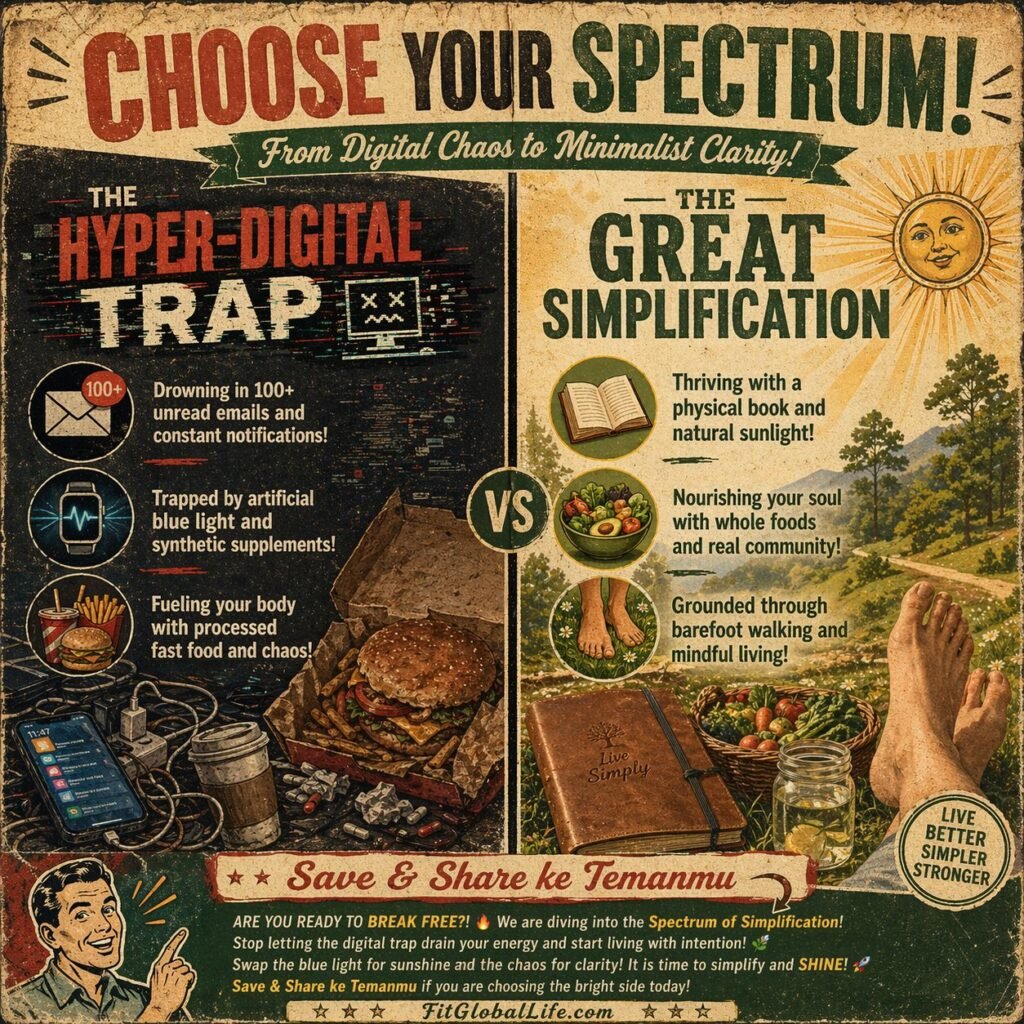
1. The Reclaiming of Cognitive Real Estate
The foundational pillar of The Great Simplification is the realization that your attention is your most finite resource. For years, the tech industry has mined our attention for profit. Now, the wealthy are buying it back.
We are entering an era in which people are desperate to take back control of their brains from algorithmic manipulation. The elite are implementing strict “tech-free” zones within their estates. They are reverting to analog tools for deep thinking—Moleskine notebooks over iPads, acoustic instruments over digital synthesizers, and face-to-face masterminds over virtual summits.
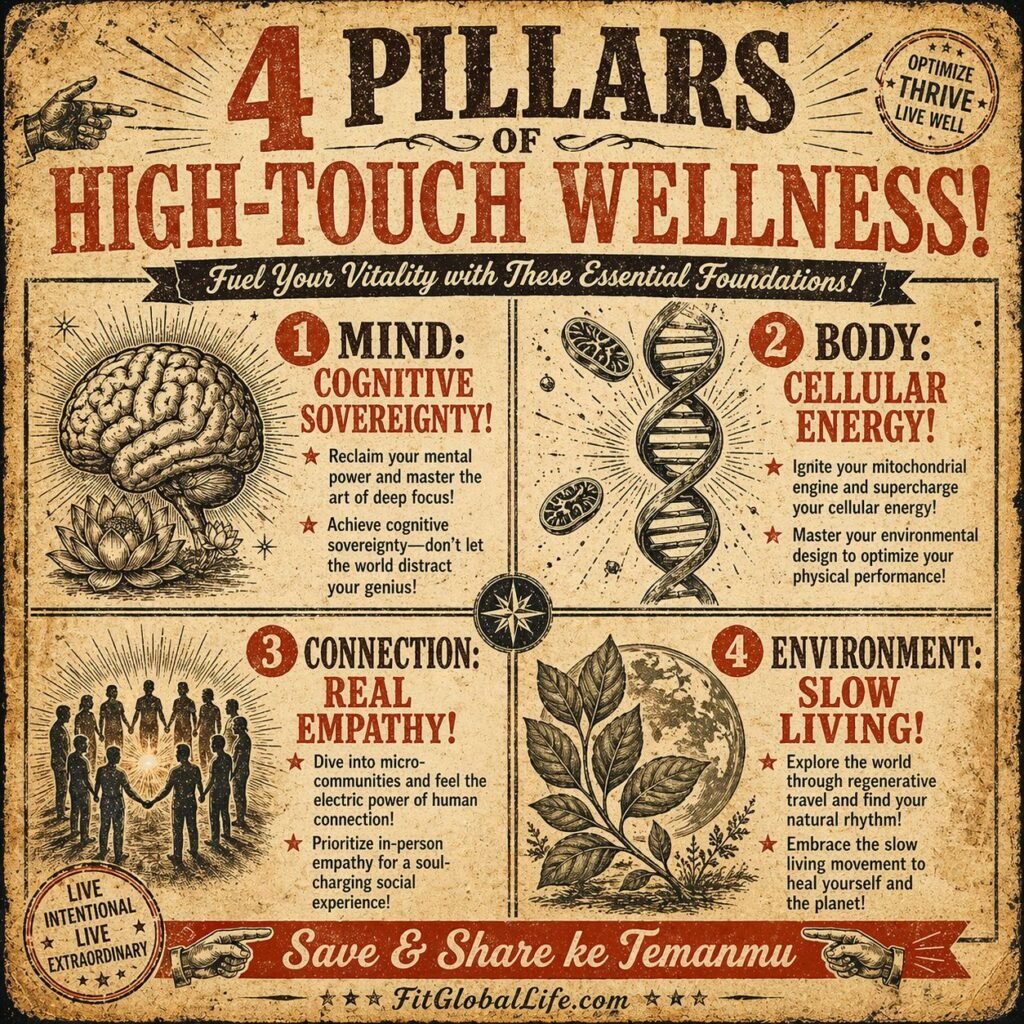
By intentionally limiting data input, you lower your baseline cortisol levels. This is the essence of mastering the art of deep focus, allowing the brain’s executive function to operate without the constant friction of digital context-switching.
2. Biological Synchrony Over Synthetic Hacking
A few years ago, the trend was to take 40 different supplements, track your sleep with 3 different rings, and shock your system with synthetic light therapies. The Great Simplification demands a return to biological first principles.
Instead of hacking the body with exogenous compounds, the focus has shifted to environmental design. It is about aligning your physical space with your evolutionary biology. For instance, optimizing the architecture of sleep through strategic bedroom layouts, air ionization, and natural thermal regulation has proven to be infinitely more effective than taking synthetic melatonin.
True longevity experts understand that the body heals itself when the environment permits. By simplifying the inputs (less artificial light, fewer processed foods, less EMF exposure), the body's natural regenerative capabilities take over.
3. The Shift to “High-Touch” Healthcare
Telehealth had its moment, but the affluent are moving rapidly back to “High-Touch” medicine. The Great Simplification in healthcare means longer, uninterrupted, in-person consultations with holistic physicians.
It involves a practitioner physically examining you, reading your body language, and understanding your emotional state, rather than just looking at a digitized blood panel on a screen. According to the Harvard Medical School, the placebo effect and the healing power of the “doctor-patient therapeutic alliance” account for up to 30% of positive health outcomes. You cannot digitize empathy.
4. Prioritizing Cellular Energy Over Aesthetic Fitness
The gym culture of the past prioritized visible muscle and low body fat. But looking good on the outside while your internal engine fails is a dangerous illusion. The Great Simplification strips away the complex, joint-destroying workout regimens of the past and focuses entirely on mitochondrial health.
Today, those in the know understand that cellular energy is the only metric that matters. Instead of spending two hours on high-intensity interval training (HIIT), which spikes inflammation, the shift is toward Zone 2 cardio (like long, slow walks in nature) combined with heavy, simple resistance training. It is an uncomplicated approach to fitness that builds functional longevity without burning out the central nervous system.
5. Intentional and Regenerative Travel
The era of “country-counting”—rushing through 10 European cities in 14 days to post photos online—is dead. Travel has undergone its own Great Simplification.
The new luxury is staying in one place for three weeks, learning the local language, and eating food grown within a 10-mile radius. It is about booking eco-conscious escapes where the Wi-Fi is intentionally weak, but the connection to nature is overwhelming. The elite are seeking out Dark Sky Reserves, remote Blue Zones, and properties built seamlessly into the natural topography. They don't travel to get away from their lives; they travel to recall how to live them.
6. The Cultivation of Micro-Communities
Social media promised to link people all across the world, but it ended up isolating them. The Great Simplification is a planned cutting back of shallow digital connections in favor of deep, real-life micro-communities.
Human beings are tribal by biology. We regulate our nervous systems through the physical presence of trusted individuals (a concept rooted in Polyvagal Theory). Moving away from online echo chambers and investing time in physical neighborhoods, local dinner clubs, and multi-generational households is the most potent antidepressant available in 2026.
7. Time is the most valuable thing
In the end, the Great Simplification is all about how you use resources. Rich people have learned that the actual meaning of sovereignty is investing in time, not goods.
When you simplify your life—by owning fewer physical items that require maintenance, reducing your digital footprint, and saying “no” to low-impact obligations—you buy back hours. Those hours can be spent on slow mornings, preparing nutrient-dense food, engaging in somatic therapies, or simply sitting in silence. Silence, in a noisy world, is the ultimate luxury.
How to Implement The Great Simplification in Your Daily Life
You do not need a billionaire’s budget to join this movement. The Great Simplification is accessible to anyone willing to set boundaries.
- The 8 PM Digital Sunset: Turn off all routers and screens two hours before bed. Read a physical book. This simple act will drastically improve your deep sleep metrics.
- Check your subscriptions: Get rid of apps, streaming services, and newsletters that don't help your mental or physical wellness.
- Embrace the “Naked” Commute: Drive or walk to work without listening to podcasts, audiobooks, or music. Let your brain wander. You will be shocked at the creative solutions that emerge from boredom.
- Single-Tasking: Close the 40 tabs on your browser. Do one thing at a time. Multi-tasking is a myth that destroys cognitive efficiency.
Conclusion: The Future Belongs to Those Who Are Focused
The Great Simplification is not a step back; it is the final stride ahead in evolution. In a world full of information but lacking in judgment, those who make things easier will perform well. You are not only adding years to your life by trading synthetic complexity for biological harmony, but you are also adding deep, unwavering quality to those years. It's time to sign off, get outside, and get back to being a person.
FAQ (Frequently Asked Questions)
1. Do I have to stop utilizing AI and other current technology because of The Great Simplification?
No way. It implies going from being a user of technology to being in charge of it. Use AI to handle boring tasks so you have more time for face-to-face activities. The goal is intentionality, not eradication.
2. How does this movement affect mental health?
Profoundly. By reducing digital inputs and focusing on tangible, high-touch experiences (such as walking in nature, cooking with raw ingredients, or having face-to-face conversations), you naturally lower cortisol levels and increase parasympathetic nervous system activity.
3. Why is “High-Touch” living considered a luxury?
Because convenience and automation are cheap. Real human interaction, sustainably sourced local food, bespoke in-person medical care, and private, quiet physical spaces require significant resources and intentionality in 2026.
4. Does simplifying my social circle lead to isolation in 2026?
Quite the opposite. The Great Simplification encourages trading a thousand shallow digital connections for a few deep, physical ones. This serves as The Loneliness Antidote, focusing on micro-communities that provide the real human empathy and nervous system regulation that AI and screens can never replicate.
5. Is there a specific age when one should start adopting these simplification principles?
It is never too early or too late. Whether you are focused on Neuro-Plasticity Over 40 or setting a foundation for a long life in your 20s, the principles of biological alignment remain the same. Simplifying your environment today is a direct investment in your cognitive and physical health for the next several decades.
Disclaimer
The views and insights expressed in this article are based on emerging lifestyle trends and longevity research as of 2026. This content is for informational purposes only and should not replace professional medical advice. Always consult with a healthcare provider before making significant changes to your physical or mental health routines.