
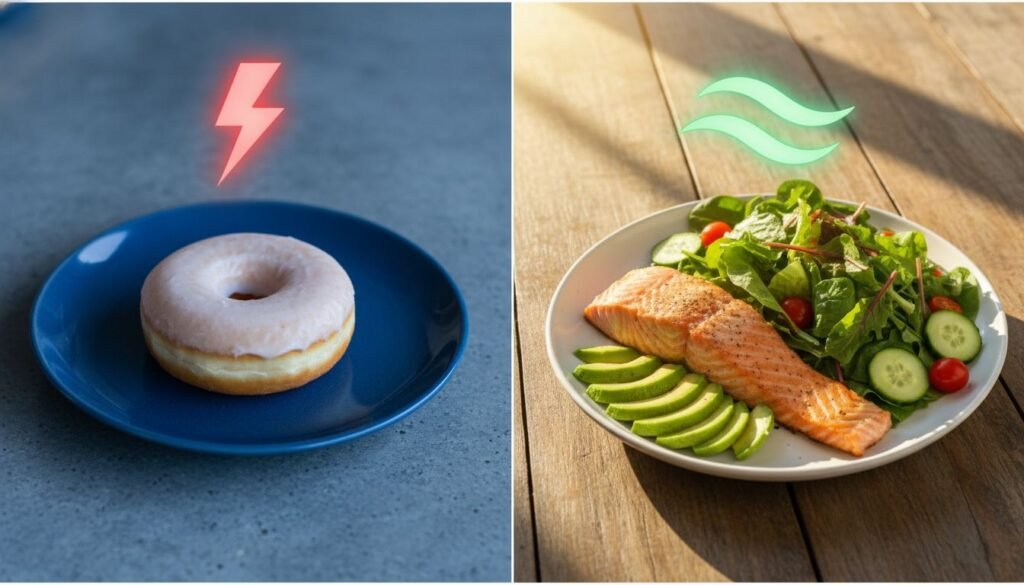
For a long time, the fitness industry has thought of the human body as a simple steam engine: calories in and calories out. We spent years painstakingly measuring chicken breasts and figuring out our macros, but the health of people throughout the world kept getting worse. But in 2026, things have changed. We have finally realized that the human body is not a calculator; it is a complex chemical laboratory where the reaction matters more than the number.
The secret to effortless energy and sustainable weight management isn't found in restriction, but in Glucose Synergy—the intentional pairing of nutrients to flatten your blood sugar curves. If you've been having trouble with energy dumps or stubborn weight, even though you've been “eating clean,” it's time to stop counting and start pairing. This is the main idea behind Wellness in 2026: moving from aesthetic to functional health.
The Fall of the Calorie: Why Math Doesn't Work for Human Biology
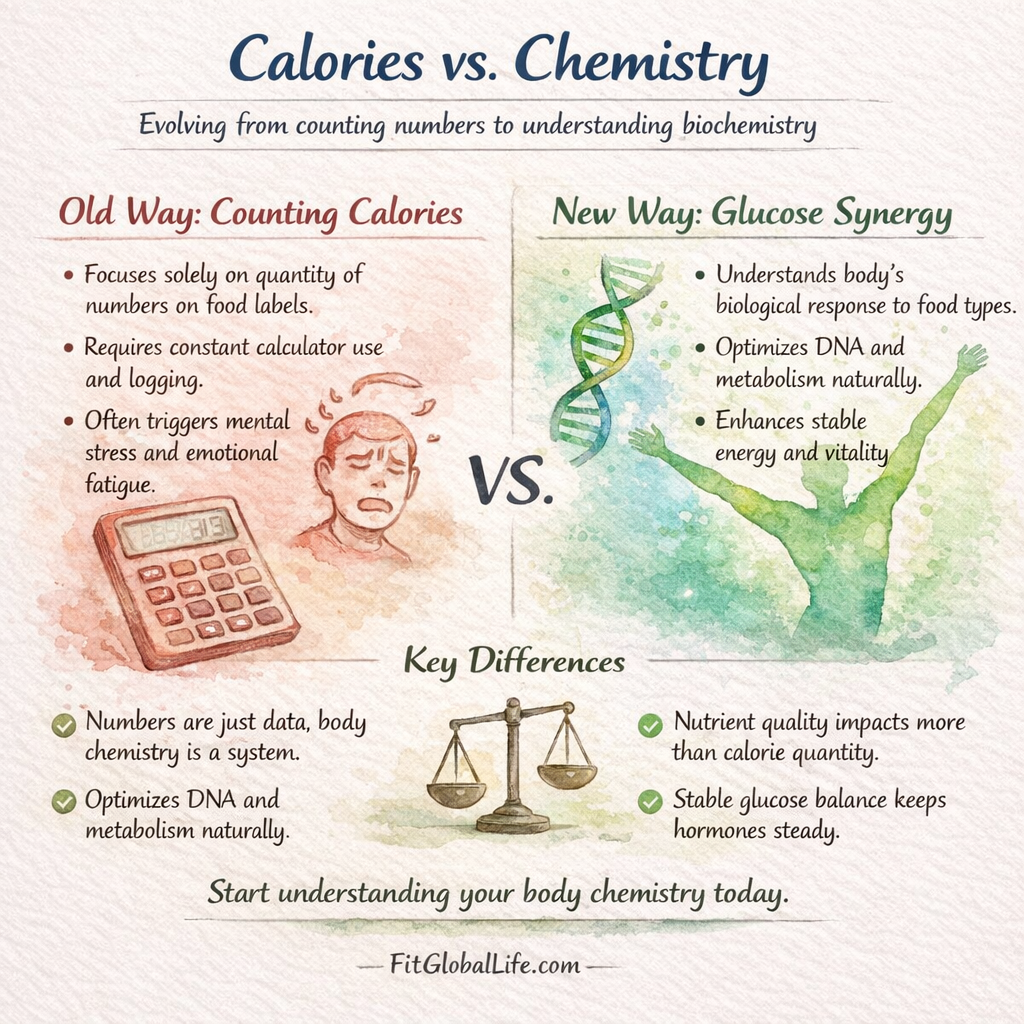
The “Calorie In, Calories Out” (CICO) model is an old way of thinking from the 20th century. While thermodynamics still apply, they don't account for the hormonal cascade triggered by what we eat. A 100-calorie pack of crackers and 100 calories of avocado have radically different effects on your insulin, your hunger hormones, and your longevity markers.
In 2026, we understand that we must STOP Dieting and instead focus on metabolic flexibility. When you eat a carbohydrate alone, your blood sugar skyrockets, triggering a massive insulin release. Insulin is your body's primary storage hormone; when it is high, fat burning stops. Glucose Synergy prevents this “storage mode” by using fiber, fat, and protein as biological buffers.
The Statistics of the Metabolic Spike
Data from the American Journal of Clinical Nutrition (.org) indicates that chronic glucose spikes are linked to a 30% increase in systemic inflammation. These spikes are the primary cause of:
- Glymphatic Sludge: Brain fog caused by poor waste clearance during sleep.
- Mitochondrial Oxidative Stress: Damaging your cellular power plants.
- Glycation: The “browning” of your cells, leading to premature aging.
This is why Mitochondrial Recovery is now considered the only health metric that truly matters in 2026.
The 5 Laws of Glucose Synergy for Metabolic Mastery
To achieve Glucose Synergy, you don't need to eliminate your favorite foods. You simply need to change the company they keep.
1. Never Eat Your Carbs “Naked”
Whenever you eat a carbohydrate—whether it’s fruit, bread, or a starchy vegetable—you must “clothe” it. Fiber, protein, and fat act as a biological buffer, slowing down gastric emptying.
- The Action: Instead of a plain apple, have an apple with walnuts. Instead of plain white rice, mix it with black beans and avocado.
- The Science: Research from Cornell University (.edu) shows that pairing a starch with a fat or protein reduces the glucose spike by up to 50%.
2. The Golden Order of Operations
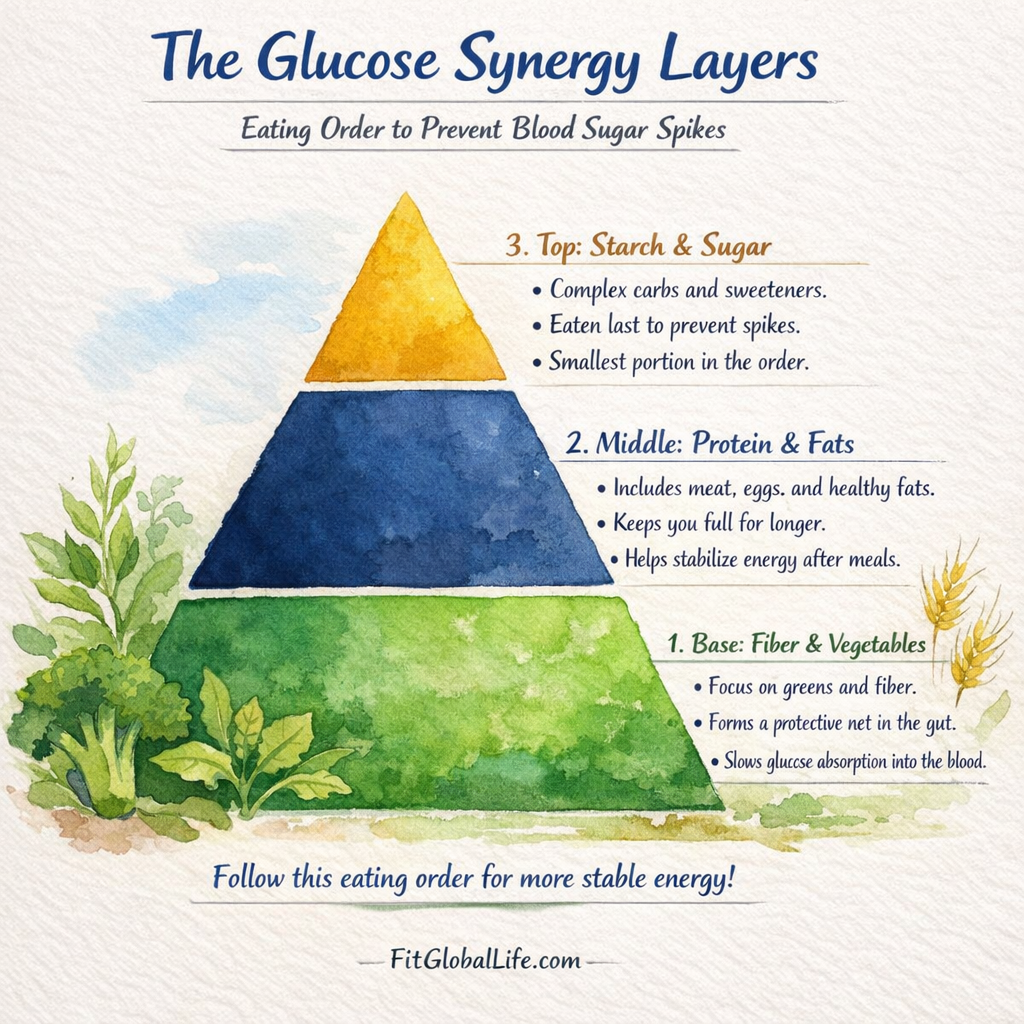
The order in which you put food into your stomach changes the chemical outcome of the meal. To maximize Glucose Synergy, follow this sequence:
- Fiber First (Salads, greens, or fiber-rich veggies).
- Protein and Fats Second (Meat, fish, tofu, or nuts).
- Starches and Sugars Last (Bread, fruit, or dessert). Fiber coats the small intestine, creating a “mesh” that slows down the absorption of glucose. This simple shift is a major part of How to Follow the New “Whole Food” Rules of 2026.
3. The Vinegar Protocol
Acetic acid (found in vinegar) is a powerful tool in the Glucose Synergy arsenal. Taking one tablespoon of apple cider vinegar in a tall glass of water 10 minutes before a high-carb meal can significantly flatten the glucose curve. It signals your muscles to soak up glucose more quickly and temporarily slows the breakdown of starches into sugars.
4. Post-Meal Movement: The 15-Minute Window
In 2026, we've replaced the 1-hour gym grind with The Micro-Dosing Movement. Walking for just 10 to 15 minutes after a meal allows your muscles to use the glucose that just entered your bloodstream as fuel, rather than letting it linger and trigger an insulin surge.
5. Interoceptive Eating: Sensing the Spike
You don't always need a monitor to know you’ve spiked. By mastering Interoception: The “Sixth Sense” You Need to Master, you can learn to feel the “internal weather” of your metabolism. A sudden feeling of irritability or a “slump” an hour after eating are clear signals that your glucose synergy was off.
Digital Twins and Predictive Nutrition in 2026
We are now living in the era of The AI-Simulated Biological Twin. We no longer have to guess how a meal will affect us. By using our digital doubles, we can run “simulated pairings” to see how our specific DNA markers respond to certain food combinations. The Rise of AI-Longevity is changing how we eat because it takes a personal approach.
The ultimate goal of Glucose Synergy is to establish Cognitive Sovereignty. When your blood sugar is stable, your brain isn't a slave to cravings or energy crashes. You get back control of your will and your focus.
The Gut-Brain Axis and Mental Clarity: More Than Just Losing Weight
Keeping your blood sugar stable does more than help you lose weight; it also protects your brain. Large glucose swings damage the Gut-Brain Axis, leading to mood swings, anxiety, and long-term cognitive decline. When you master food pairing, you are essentially practicing Neuro-Plasticity Over 40 because you are creating the stable chemical environment required for brain repair.
This shift toward “Quality over Quantity” is a hallmark of The Post-Work Wellness Economy. We are realizing that the status symbol of the future isn't a thin body—it is a clear, focused, and resilient mind.
The Cognitive Load of Calorie Counting: Why You Should STOP
Counting calories is a heavy cognitive burden. It forces you into a state of chronic hyper-vigilance that triggers cortisol. High cortisol, in turn, makes you more insulin resistant. It is a vicious cycle. By applying the STOP Overthinking blueprint to your nutrition, you simplify your life. You don't need to count; you just need to pair.
Conclusion: The New Way to Fuel
Calorie counting was an attempt to control the body through math. Glucose Synergy is an attempt to support the body through chemistry. By respecting the order of your food and the synergy of your pairings, you unlock a level of vitality that restriction can never provide.
This is the end of the “diet” era and the beginning of the era of functional fueling. Start today: clothe your carbs, eat your fiber first, and walk after you eat. Your metabolism—and your future self—will thank you.
FAQ: Frequently Asked Questions
1. Does Glucose Synergy work for vegans or keto dieters?
Yes. The principles of food pairing are universal. Vegans can pair starches with plant-based proteins (like beans or nuts), and keto dieters use these principles to ensure their few carbs don't knock them out of ketosis.
2. Can I drink coffee with my meal?
Black coffee is fine, but be careful with sugary lattes. If you want a treat, it's best to have it after a meal that was built on Glucose Synergy principles to minimize the spike.
3. Is “Food Pairing” the same as “Food Combining” from the 90s?
No. “Food Combining” was often based on the idea of digestion speeds. Glucose Synergy is based on modern 2026 endocrinology and the specific management of blood glucose and insulin.
4. How does this impact my sleep?
Massively. Stable blood sugar during the day prevents “nocturnal hypoglycemia,” which is a common cause of waking up at 3 AM with a racing heart.
Disclaimer
The information provided in this article is for educational and informational purposes only and is not intended as medical advice. If you have a metabolic disease or are taking medication, you should always talk to a doctor before making big changes to your diet.