
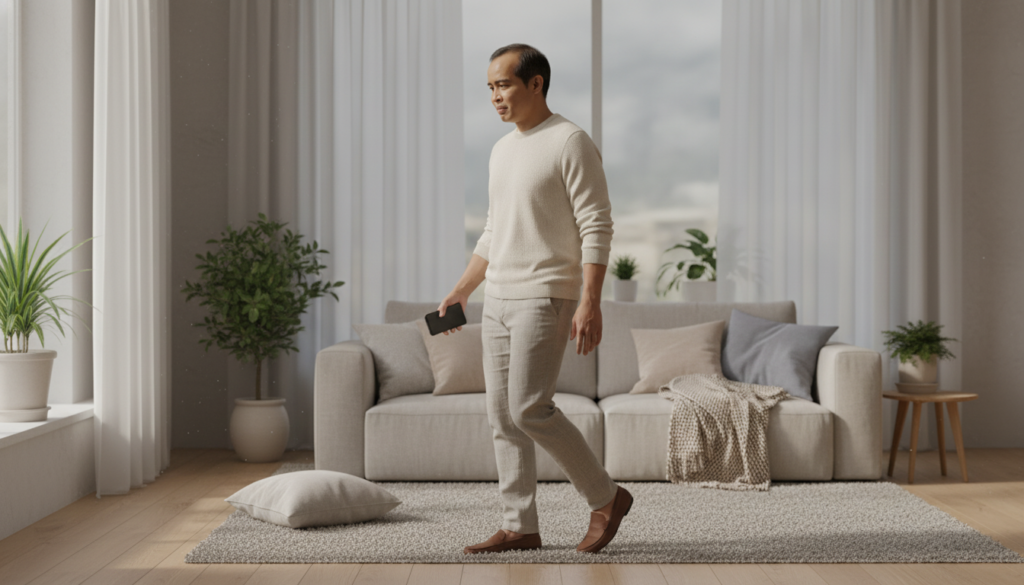
Micro Retreats: Life moves fast, and the belief that you need long vacations or significant changes to heal is no longer true. Work keeps going, notifications keep coming, and responsibilities keep piling up.
In 2026, you can take care of your mental health without leaving for weeks.
Micro-retreats are short, purposeful breaks that help you reset your mind and think clearly for the long term, all without interrupting your daily life.
Today, micro-retreats are a practical way to care for your mental health before problems start. They’re more than just a trend.
Let’s explore what micro-retreats are, why they work, the science behind them, how to plan one, and who benefits most, using objective evidence.
To Begin, Could You Please Plarify What Qualifies As a Micro-Retreat?
Micro-retreats are short wellness retreats lasting between 12 and 72 hours, focused on mental recovery rather than escape or transformation.
Different from traditional retreats that often require extended time off, travel, and significant expenses, micro-retreats are:
- intentional
- repeatable
- and integrated into real life
Their purpose is simple: restore mental balance before burnout sets in.
How Micro-Retreats Differ from Traditional Retreats
| 12–72 hours | 5–10 days |
| Flexible & low commitment | Time-intensive |
| Affordable & repeatable | High cost |
| Mental resets and regulations | Deep transformation |
| Fits modern schedules | Requires long absence |
Micro-retreats are not meant to change you.
They help you reconnect with yourself in a more regulated state.
Why Micro-Retreats Are Trending in 2026
1. Burnout Has Become Widespread
Burnout is no longer rare or limited to high-stress industries. According to the World Health Organization, burnout is now recognized as an occupational phenomenon that affects productivity, emotional health, and overall well-being.
People are looking for sustainable recovery instead of emergency fixes.
Read more on Retreat Lessons That Redefine Self-Care: Why Your Current Routine is Failing You
2. Digital Overload Is Constant
Work, communication, entertainment, and even rest now happen through digital devices. This sustains the brain in a near-constant state of stimulation.
Without intentional breaks, the nervous system never fully resets.
3. People Want Recovery, Not Escape
Current wellness trends have shifted from dramatic “life-changing” promises to something more realistic: mental stability, clarity, and sustainability.
Micro-retreats offer recovery without running away from responsibilities.
The Science Behind Short Mental Resets
Many people wonder if short breaks really help. Research shows they can, as long as they are well planned.
How the Brain Responds to Short Breaks
According to the American Psychological Association, intentional breaks reduce cortisol levels and help restore executive functions such as focus, emotional self-regulation, and decision-making.
Nervous System Regulation Matters More Than Duration
Harvard Health Publishing explains that you don’t need long periods to activate the parasympathetic nervous system, or the “rest-and-digest” state. What matters is lowering stimulation and feeling safe.
Why Quality Beats Quantity
Mental recovery depends more on:
- sensory reduction
- emotional safety
- and intentional stillness
These factors matter more than just the amount of time. That’s why micro-retreats work well.
Types of Micro-Retreats You Can Try
1. Digital Detox Micro-Retreats
Focus: Decreasing screen exposure
Duration: 24–48 hours
Activities: Reading physical books, walking, journaling, analog hobbies
This program is particularly suitable for individuals who work in digital fields, create content, or work remotely.
2. Nature-Based Micro-Retreats
Focus: Grounding and sensory reset
Locations: Forests, quiet beaches, mountains
There’s no need for a busy schedule. Simply being in nature serves as a form of therapy.
3. Mindfulness or Silent Micro-Retreats
Focus: Mental stillness and awareness
You don’t need to be a meditation expert. Just practicing silence, slow breathing, and limiting input is enough.
4. Urban Micro-Retreats (No Travel Required)
Examples: a phone-free weekend at home, a staycation without schedules, or intentional solitude in familiar surroundings.
- a staycation without schedules
- intentional solitude in familiar surroundings
Doing micro-retreats regularly is more important than where you do them.
Benefits of Micro-Retreats for Mental Health
When practiced regularly, micro-retreats can:
- reduce mental fatigue
- improve focus and clarity
- support emotional management
- improve sleep quality
- prevent long-term burnout
The benefits build up over time, rather than happening all at once.
If You’re Ready to Try a Micro-Retreat, Here’s How to Plan for Impact:
Ideal Duration
- Minimum: 12 hours
- Optimal: 24–48 hours
- Maximum: 72 hours
Anything longer becomes a traditional retreat.
Choosing the Right Location
Ask one question:
“Does this place reduce stimulation or add to it?”
Pick a simple place rather than something new or exciting.
What to Bring—and Leave Behind
Bring:
- comfortable clothing
- a physical book
- a journal
Leave behind:
- notifications
- work messages
- performance expectations
Set a Clear Intention
Don’t set big or complex goals.
A simple intention works best:
“I want to calm my mind.”
Wondering If Micro-Retreats Are Right For You? Here’s Who Can Benefit Most:
Micro-retreats are ideal for:
- Professionals with hectic schedules
- Remote workers and freelancers
- Entrepreneurs and creators
- Parents carry a psychological load.
- Anyone experiencing constant mental fatigue
You Might Also Wonder How Micro-Retreats Stack Up Against Longer, More Traditional Retreats.
The honest answer is that it depends on your personal situation.
- Need ongoing regulation? → micro-retreats
- Are you in search of significant changes in your life? → long retreats
For many, micro-retreats offer a more long-term alternative.
Common Mistakes to Avoid
- Treating micro-retreats like vacations
- Overscheduling activities
- Staying digitally connected “just in case.”
- Expecting instant transformation
Micro-retreats help you maintain your mental health, but they aren’t a quick fix.
So, Are Micro-Retreats a Worthwhile Investment in Your Mental Health?
Yes, as long as you do them with intention and regularly.
In 2026, mental health is no longer reactive. It’s preventive.
Start planning your first micro-retreat now, even if it’s only for a few hours. Allow yourself to step back, reset, and enjoy the benefits without leaving your life behind.
Conclusion
Micro-retreats reflect a shift in how we approach mental health in 2026—from reactive recovery to intentional prevention. Instead of waiting until exhaustion turns into burnout, micro-retreats offer a practical way to reset the mind, regulate the nervous system, and restore clarity within the rhythm of everyday life.
What makes micro-retreats effective is not their length but their consistency and intention. Short, well-designed pauses can reduce mental fatigue, improve focus, and support emotional balance without requiring drastic changes or extended time away from responsibilities.
In a world that rarely slows down, learning how to pause—even briefly—has become an essential life skill. Micro-retreats are not about escaping life but about returning to it with greater presence, resilience, and clarity.
FAQ—Micro-Retreats
What is the ideal length of a micro-retreat?
24–48 hours is ideal, but even 12 hours can be effective with minimal distractions.
Could micro-retreats genuinely enhance mental health?
Yes. They help reduce stress, mental fatigue, and sensory overload.
Do micro-retreats require meditation or spirituality?
No. The focus is on reducing stimulation and restoring calm.
How often should you take a micro-retreat?
Depending on your stress levels and lifestyle, you should take a micro-retreat either monthly or quarterly.
Disclaimer
This article is intended for informational and educational purposes only and does not constitute medical, psychological, or professional advice. The practices discussed, including micro-retreats and wellness strategies, are not a substitute for professional mental health care, diagnosis, or treatment.
Individual experiences may vary. If you are experiencing severe stress, burnout, anxiety, or mental health conditions, it is strongly recommended to consult a qualified healthcare or mental health professional.
Always listen to your body and mind, and choose approaches that align with your personal circumstances, health conditions, and professional guidance.
