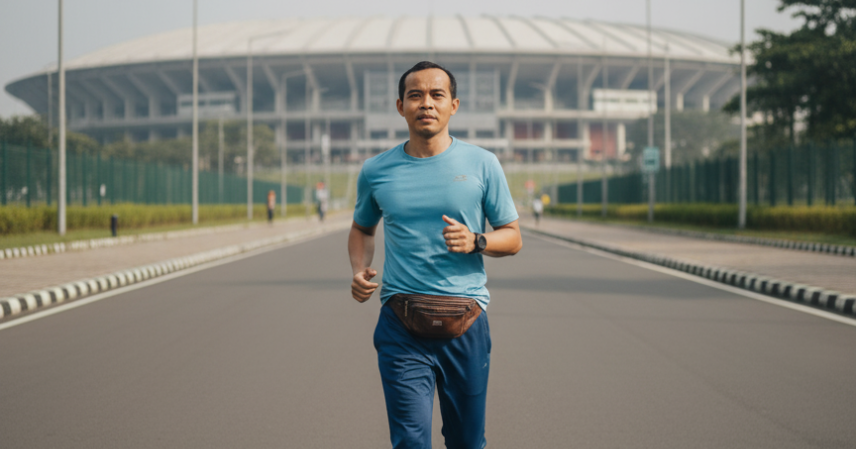

Because strength doesn’t have to come from meat.
Plant-based diets have evolved far beyond salads and smoothies. In 2025, athletes, busy professionals, and wellness seekers are discovering the power of plant protein — a cleaner, sustainable way to fuel performance, recovery, and long-term health.
A global report from the Good Food Institute (GFI) shows that the plant-based protein market is projected to reach USD 22 billion by 2026, driven by younger generations who want to stay fit and make eco-conscious choices.
Let’s explore how you can thrive on plant protein — and what the science says about eating green for strength.
Why Plant Based Protein Works for Active Bodies
Plant proteins aren’t “incomplete” anymore. Modern research and food innovation have changed the game.
Studies published by Harvard Health (2024) show that plant-based proteins — when properly combined — provide all nine essential amino acids needed for muscle repair and growth.
What This Means for You:
- Equal Performance: Athletes using plant protein have shown similar muscle gains compared to those using whey.
- Better Recovery: Plants contain anti-inflammatory compounds (polyphenols) that speed up recovery.
- Gut-Friendly: Plant protein supports microbiome diversity — crucial for metabolism and immunity.
Top Sources of Plant Base Protein in 2025
Forget the myth that plant eaters struggle with protein. These are the modern powerhouses every active person should know:
| Source | Protein (per 100g) | Benefits |
|---|---|---|
| Lentils | 9g | High in iron and fiber — great for steady energy. |
| Edamame (Soybeans) | 11g | Contains all essential amino acids. |
| Chickpeas (Garbanzo Beans) | 8.9g | Improves digestion, balances blood sugar. |
| Quinoa | 8g | A complete protein with magnesium and antioxidants. |
| Tofu / Tempeh | 10–19g | Versatile and high in calcium. |
| Pumpkin Seeds | 19g | Perfect for snacks or smoothie bowls. |
| Seitan (Wheat Gluten) | 25g | High-protein alternative for active vegans. |
| Pea Protein Powder | 20–25g | Easily digestible and sustainable. |
How Much Protein Do You Really Need?
For active adults, the rule of thumb is:
- 1.2–2.0 grams of protein per kilogram of body weight per day.
That means a 65 kg person should aim for 80–120 g of protein daily, spread across meals and snacks.
Sample Daily Meal Flow (Plant-Based)
- Breakfast: Oatmeal with chia seeds, soy milk, and almond butter
- Lunch: Quinoa bowl with tempeh, kale, and tahini dressing
- Snack: Smoothie with pea protein and banana
- Dinner: Lentil curry with brown rice and roasted vegetables
Balanced. Clean. Energizing.
The Wellness Advantage of Going Green
Beyond muscles, plant-based protein supports holistic well-being — from your brain to your skin.
- Heart Health: Less saturated fat = improved cardiovascular function
- Mental Clarity: High antioxidants reduce oxidative stress and fatigue
- Sustainability: Producing plant protein uses up to 75% less water and land than animal protein
- Longevity Factor: Blue Zone research links plant-rich diets to longer, healthier lives
Trends Defining Plant Protein in 2025
According to the Global Wellness Institute (2025), three major nutrition trends are shaping the future:
- Hybrid Diets: Combining plant protein with occasional fish or eggs — called flexitarian fueling.
- Clean-Label Powders: Protein blends without artificial flavoring or gums.
- Fermented Proteins: Tempeh, miso, and chickpea-based yogurt for better gut absorption.
Even major fitness brands now promote plant-protein recovery shakes because of their smoother digestion and sustained energy release.
Expert Tips for Thriving on Plant Protein
- Combine legumes + grains (e.g., lentils & rice) for complete amino acids.
- Rotate protein sources to maximize nutrient intake.
- Prioritize B12 supplementation or fortified foods.
- Hydrate more — plant fiber increases water demand.
- Track intake using apps like Cronometer or MyFitnessPal.
Final Thoughts
Plant based protein 2025 eating isn’t about restriction — it’s about renewal.
You don’t have to go 100% vegan to feel the benefits; even adding more plant protein can improve energy, focus, and mood.
In the end, the future of fitness is flexible, sustainable, and plant-powered.
Disclaimer:
The information provided in this article is for educational and informational purposes only and is not intended as medical advice. Always consult with a qualified healthcare professional before making changes to your diet, exercise routine, or wellness plan. FitGlobalLife does not diagnose or treat medical conditions, and the use of this content is at your own discretion.