Introduction: The Ultimate Quest for Quiet
In today's world, silence is more than just the lack of sound; it has become a valuable resource. Our lives are filled with distractions—pings from our phones, societal pressures, traffic noise, and the continuous inner dialogue of a restless mind. This ongoing noise can lead to significant issues with concentration and a widespread feeling of mental exhaustion for many individuals.
The modern antidote to this noise is the Silent Meditation Retreat.
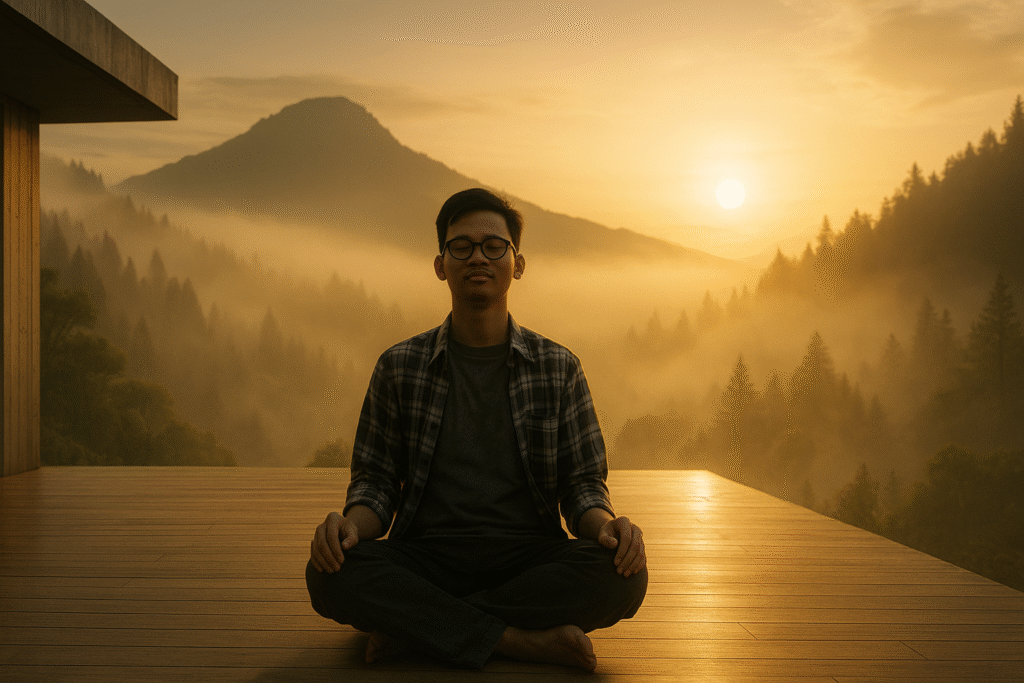
A silent retreat is not a relaxing vacation; it is a profound and intensive practice in inner growth. By removing external distractions—including talking, reading, writing, and all digital devices—participants are forced to sit with their own minds. This disciplined setting allows for deep self-inquiry, emotional processing, and a remarkable recalibration of the nervous system.
Regardless of whether you belong to Gen Z and grapple with attention issues, are a Millennial experiencing burnout, or are a Gen X individual searching for deeper spiritual insight, a silent retreat provides a definitive and impactful route to achieving mental clarity and long-lasting tranquility.
This comprehensive guide delves into the transformative power of silence and highlights seven of the top silent meditation retreats globally, each offering a unique path to profound inner growth and focus.
Part I: The Life-Changing Impact of Silence
Why do so many people opt to spend days or even weeks in utter silence, confronting only their thoughts? Because silence lays the foundation for focus and true mental well-being.
1. Halting the Digital and Social Feedback Loop
Modern life thrives on external validation. A silent retreat is the ultimate Digital Detox (as we explored in our guide on [Digital-Free Destinations: The Ultimate Guide to True Unplugging Wellness Retreats]). By banning speech and screens, the mind is stripped of its addictive dopamine triggers, allowing the nervous system to finally downregulate from “fight-or-flight” mode.
2. The Science of Neuroplasticity
Meditation, particularly when practiced intensively in silence, is scientifically proven to change the physical structure of the brain (neuroplasticity). It strengthens the prefrontal cortex (responsible for focus, decision-making, and emotional regulation) while reducing the size and activity of the amygdala (the fear center).
3. Addressing Emotional Baggage
In our daily lives, we often use activity and noise as a way to sidestep uncomfortable emotions. In solitude, these feelings naturally surface. A retreat provides a secure and supported setting to work through past grief, persistent anxiety, and unresolved issues, resulting in significant emotional release and mental clarity.
Part II: Recognizing the Key Types of Silent Retreats
While all silent retreats emphasize stillness, they often fall under specific spiritual or philosophical frameworks.
| Style | Primary Focus | Duration (Typical) | Audience |
| Vipassana | Insight into the true nature of reality; awareness of sensations | 10 Days (Rigid) | Serious practitioners, beginners seeking discipline |
| Zen / Rinzai | Zazen (sitting meditation); focusing on posture and breath/koans | Varies (often 3-7 days) | Those seeking structure and ancient tradition |
| Mindfulness (MBSR) | Non-judgmental awareness of the present moment; integrating practice into daily life | Weekend to 7 Days | Beginners seeking therapeutic, secular approach |
Part III: Top 7 Silent Meditation Retreats for Inner Growth
These highly regarded centers offer immersive, transformative experiences across the globe.
1. Dhamma Centers (Worldwide Vipassana)
- The Vibe: Austere, highly disciplined, and deeply traditional.
- The Approach: Based on the teachings of S.N. Goenka, these centers teach Vipassana, focusing on observation of bodily sensations (known as Anicca—impermanence).
- Key Features: A mandatory 10-day duration, daily meditation for 10 hours, separation by gender, and adherence to Noble Silence (no form of communication).
- Why It Works: The rigid structure and focus on physical sensation force participants to confront and observe the mind's patterns without engagement.
- Important Note: Generally, these retreats are offered at no cost, relying entirely on voluntary contributions from previous participants (a practice called Dana).
2. Shambhala Mountain Center (Colorado, USA)
- The Vibe: High-quality amenities, expansive nature setting in the Rocky Mountains.
- The Approach: Offers programs rooted in the Tibetan Buddhist tradition, ranging from basic mindfulness to intensive silent retreats (Dathün).
- Key Features: Beautiful, intentional architecture, experienced Western and Tibetan teachers, and integration of mindful walking and talks (Dharmas).
- Why It Works: The natural environment enhances the meditative experience, and the facility's comfort supports participants through the mental challenge of silence.
3. Tushita Meditation Centre (Dharamsala, India)
- The Vibe: Authentic, challenging, set high in the Himalayas near the Dalai Lama’s residence.
- The Approach: Focuses on the Gelug school of Tibetan Buddhism. Programs often include philosophy lectures alongside silent meditation practice.
- Key Features: Immersion in a deep spiritual culture, simple shared accommodation, and teachings based on analytical meditation.
- Why It Works: The location’s elevation and spiritual atmosphere promote silence and profound introspection.
4. Plum Village (Bordeaux, France, and Worldwide)
- The Vibe: Gentle, community-focused, rooted in the Engaged Buddhism tradition of Thich Nhat Hanh.
- The Approach: Emphasizes mindfulness in daily activities (walking meditation, mindful eating, mindful chores) alongside sitting meditation. Silence is a key component, but often less rigid than Vipassana.
- Key Features: Focus on brotherhood and sisterhood (Sangha), simple living, and kindness.
- Why It Works: The softness of the approach makes it an excellent choice for beginners or those seeking a gentler introduction to sustained silence.
5. Esalen Institute (Big Sur, California, USA)
- The Vibe: Experimental, humanistic, and holistic, known for its stunning coastal location.
- The Approach: Offers less traditional, but highly effective, silent retreats often combined with somatic practices, bodywork, and emotional inquiry.
- Key Features: Natural hot springs, focus on psychological exploration, and a blend of spiritual and Western therapeutic approaches.
- Why It Works: The striking natural environment and the focus on both physical and mental aspects create a distinctive setting for self-exploration through silence.
6. Mandali Retreat Center (Lake Orta, Italy)
- The Vibe: Eco-friendly luxury, extremely customized, with an emphasis on holistic well-being.
- The Approach: Silent retreats centered on mindfulness, yoga, and reflective journaling.
- Key Features: Stunning views, high-quality vegetarian food, and programs designed for the working professional seeking a sophisticated mental reset.
- Why It Works: It demonstrates that profound personal exploration can be nurtured in a pleasant, appealing setting, eliminating the necessity for physical struggle.
7. Gaia Retreat & Spa (Byron Bay, Australia)
- The Vibe: Eco-luxury, highly personalized, and holistic wellness focus.
- The Approach: While primarily a wellness spa, Gaia offers specific retreats, including occasional silent programs, focusing on balancing meditation with restorative treatments.
- Key Features: Personalized schedules, high-end nutritional therapy, and integrated body treatments (massage, hydrotherapy).
- Why It Works: The combination of silence and therapeutic bodywork is incredibly effective at releasing stress held physically in the body. (The profound link between the body and mind in releasing stress is detailed in our guide on [The Body-Mind Connection: 5 Somatic Practices to Instantly Reduce Stress and Anxiety]).
Part IV: Preparing for Your Silent Journey
A silent retreat can be challenging. Preparing is essential to enhance its advantages and reduce any potential discomfort.
- Begin Gradually: Initiate a daily routine of 10-20 minutes of silent meditation at home for a month prior to your retreat. This strengthens your “sitting endurance.”
- Practice Digital Disconnection: Gradually implement daily digital-free hours (especially before bed) to lessen the shock of the full digital ban.
- Set Realistic Expectations: Anticipate discomfort. Prepare for feelings of restlessness, boredom, and heightened emotions. Remind yourself this is all part of the journey, not a failure indication.
- Inform Your Support System: Tell family and key colleagues you will be completely unreachable for the duration. Provide an emergency contact for the center only.
- Pack Comfortable, Simple Clothes: Your focus should be internal, not external. Layered, loose-fitting, non-distracting clothing is best.
Conclusion: Silence as the Path to True Focus
In a world that celebrates constant communication, choosing silence is an act of radical self-care and profound power. A silent meditation retreat is the ultimate investment in your mental capital.
It’s an opportunity to strip away the distractions, listen to the quiet wisdom within, and permanently improve your capacity for focus, empathy, and emotional resilience. By committing to this deep work, you not only heal old wounds but also forge a stronger, clearer connection with your true self. The journey inward is not easy, but the clarity and peace you find on the other side are immeasurable.
⚠️ Disclaimer
The information provided in this article is for educational and informational purposes only and is not intended as medical advice. Silent meditation retreats, especially those of longer duration (7-10 days or more) or high intensity, are not suitable for everyone. Individuals with severe or acute mental health conditions, such as clinical depression, severe anxiety disorders, bipolar disorder, or a history of trauma, should consult with a psychiatrist or clinical therapist before enrolling in an intensive retreat setting.